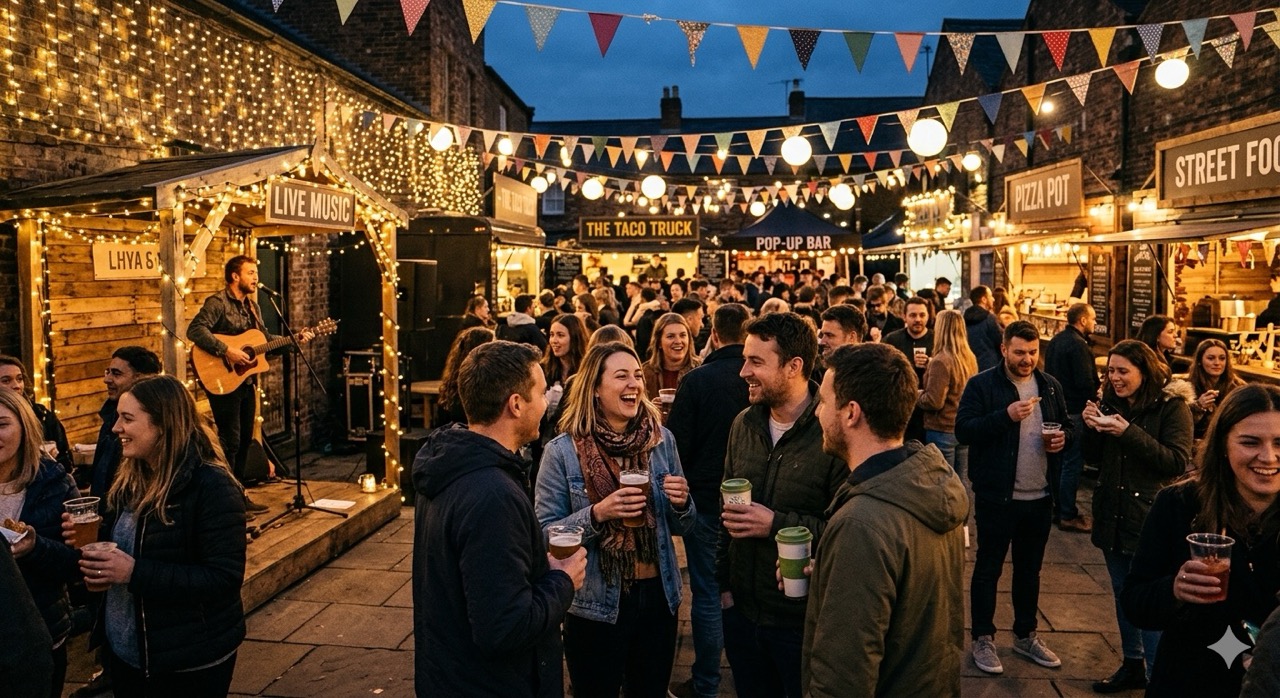
So you're running your first event. Maybe it's a supper club in your back garden, a craft market in a local hall, or a DJ night in a warehouse. Whatever it is, you need to sell tickets — and the sheer number of platforms, payment processors, and "industry tips" out there can make it feel overwhelming.
It doesn't have to be. This guide breaks down everything you need to know about selling tickets for your first event in the UK, with no jargon and no fluff.
Choose the right ticketing platform
This is the single most important decision you'll make before your event goes live. The platform you pick affects how much money you keep, how professional your event looks, and how easy it is for fans to buy tickets.
Here's what to look for:
- Low fees — every percentage point matters when you're starting out
- No monthly costs — you shouldn't pay to exist on a platform before you've sold a single ticket
- Instant payouts — waiting weeks for your money is a dealbreaker
- Easy setup — if it takes more than 15 minutes, it's too complicated
Our recommendation
Popup Pal charges just 3.5% + 20p per ticket with no monthly fees and instant payouts. It was built specifically for independent organisers running their first events.
Platform fee comparison
Here's how the major UK ticketing platforms compare on fees:
| Platform | Service fee | Payment processing | Monthly cost |
|---|---|---|---|
| Popup Pal | 3.5% + 20p | Included | Free |
| Eventbrite | 3.5% + 0.49p | 2.9% + 30p extra | Free tier limited |
| DICE | ~10% | Included | By application |
| Skiddle | 10%+ | Included | Free |
| Fatsoma | 5%+ | Additional | Free |
Set the right price
Pricing your first event is nerve-wracking. Price too high and nobody comes. Price too low and you can't cover costs. Here's a framework:
Work backwards from your costs
- Add up your fixed costs — venue hire, equipment, insurance, marketing materials
- Estimate your variable costs — per-head catering, staffing, cleaning
- Set your target attendance — be realistic, not optimistic
- Divide total costs by target attendance — that's your break-even price
- Add your margin — 20-30% is reasonable for a first event
Consider tiered pricing
Early bird tickets create urgency and reward people who commit early. A simple two-tier structure works well:
- Early bird — 20-30% cheaper, limited to the first 25% of tickets
- General release — your standard price
Free events need tickets too
Even if your event is free, listing it with a ticketing platform helps you manage capacity, communicate with attendees, and build your mailing list. Most platforms, including Popup Pal, don't charge anything for free tickets.
Create a brilliant event listing
Your event listing is your shopfront. Most people will decide whether to buy a ticket within 10 seconds of landing on it.
The essentials
- A clear, compelling title — "Summer Sunset Market" beats "Market Event 23/07"
- A high-quality image — it doesn't need to be professional, but it needs to look good on a phone
- Date, time, and location — obvious, but so many people bury these
- A description that sells — write for someone who's never heard of you
Writing your description
Lead with what the experience will feel like, not what it technically is. Compare:
"A market featuring 30 stalls selling handmade goods, food, and drinks."
vs.
"Spend your Saturday afternoon wandering through 30 of London's best independent makers. Expect handmade ceramics, small-batch candles, street food, and natural wine — all in a sun-drenched courtyard in Hackney."
The second one makes you want to go. That's the goal.
Promote your event
You don't need a marketing budget to promote your first event. You need consistency, creativity, and a bit of hustle.
Start with your network
- Personal social media — post about it, multiple times, without apologising
- WhatsApp groups — share with relevant groups, but don't spam
- Word of mouth — tell everyone, carry your phone with the event link ready
Build up to launch day
Here's a simple timeline:
- 4 weeks before — announce the event, open early bird tickets
- 3 weeks before — share behind-the-scenes content (venue photos, vendor previews)
- 2 weeks before — early bird deadline reminder, switch to general release
- 1 week before — "limited tickets remaining" (if true), share testimonials or hype
- Day before — final reminder, practical info (parking, what to bring)
Don't lie about scarcity
Saying "only 5 tickets left!" when you have 50 will damage your reputation. Fans talk. Be honest — if tickets are genuinely selling well, say so. If they're not, focus on the value of the event instead.
On the day
Selling tickets is only half the job. The other half is making sure people actually show up and have a great time.
Manage check-in
Use your ticketing platform's check-in feature (Popup Pal has QR code scanning built into the app). This gives you:
- Accurate attendance data — know exactly who came
- Faster entry — no paper lists, no arguments
- Professionalism — fans notice when things run smoothly
Collect feedback
After the event, send a quick thank-you message to everyone who attended. Ask what they loved and what could be better. This is gold dust for your next event.
What to do after your first event
Your first event is a learning experience, not a one-off. Here's how to turn it into something bigger:
- Review your numbers — how many tickets sold, what was your revenue, what were your costs?
- Save your attendee data — these people are your first fans, and they're the most likely to come to your next event
- Plan your next one — momentum matters. Don't wait six months.
Ready to sell your first tickets?
Popup Pal makes it dead simple. Create your event in minutes, share your link, and start selling. No monthly fees, just 3.5% + 20p per ticket.
Create your eventKey takeaways
- Choose a platform with low fees, no monthly costs, and instant payouts
- Price your tickets by working backwards from your costs
- Write event listings that sell the experience, not the logistics
- Promote consistently across your existing network before spending on ads
- Use QR code check-in for a professional experience
- Collect feedback and plan your next event immediately
Running your first event is exciting, stressful, and incredibly rewarding. The ticketing part doesn't need to be complicated. Pick the right platform, price fairly, promote honestly, and focus on giving your fans an experience they'll want to repeat.